• About The Tuesday Swim

the tuesday swim…

the tuesday swim…

Tag Archives: fishing

The joy of engineering – The Hardy Altex

21 Thursday Feb 2013

Posted by The tuesday swim in Tackle

≈ 6 Comments

Tags

altex, british, fishing, Hardy, jack, luke, mark, no2, reel, v

Continuing on with the theme of  British craftsmanship in angling,  I move from artisan float builders to Jack Luke, the engineer.

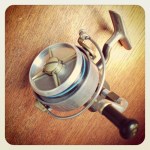
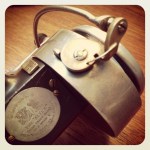
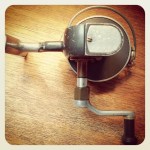
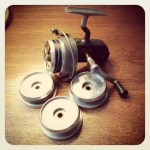
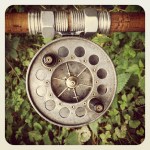
Jack Luke was an employee of Hardy’s of Alnwick from 1936-1987, a man dedicated to his job and the reels that he made. Why am I interested in Jack Luke? Well, he built my Altex Mark V No2 fishing reel over fifty years ago, having his initials stamped on the reel would have added a sense of pride to the makers at Hardy, no mass manufactured reel could adhere to this level of craftsmanship.

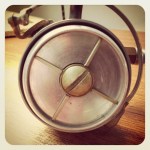
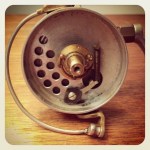
Why do I like these Hardy reels over more popular reels like the Mitchell 300 or the Young’s Ambidex, although both still excellent reels? The Altex is an engineers reel, the spokes on the clutch control adjuster and the tiny anti-tangle wire bar that is fixed in the bail arm are all finished by hand using soldered parts. Every reel seems to have a ‘signature’ that you don’t get with the mass produced reels. Some find the Altex to be the ugly sister compared to the french curves of the Mitchell but I like the deco looks with its combination of burnished metals.

The question now, is it any good to fish with? Yes, its excellent, despite the spool being quite narrow the Altex can cast a long way with little effort and the line lay is extremely even. The bail arm is automatically closed from an internal pawl, this makes for a very smooth action as it is triggered close to the reels central spindle, needing less inertia to trip the bail arm. And talking of smooth, the Altex clutch is exquisite compared to the Mitchell 300, it is a pleasure to turn using the front four spoked brass adjuster.

Designed originally as a spinning reel for salmon (it was probably considered too expensive for the lowly coarse angler) but it has now become popular with traditional carp anglers mainly due to the fine clutch. I shall be using it with lines from 5lb to 12lb and for a wide range of fish including chub, tench, barbel, carp and pike. This year I’m keeping my angling more simple than ever before using just one fixed spool reel, the Altex and a few centre pins where suitable.

Hardy Altex Mark V No 2

Hardy Altex Mark V No 2

Hardy Altex Mark V No 2

Hardy Altex Mark V No 2

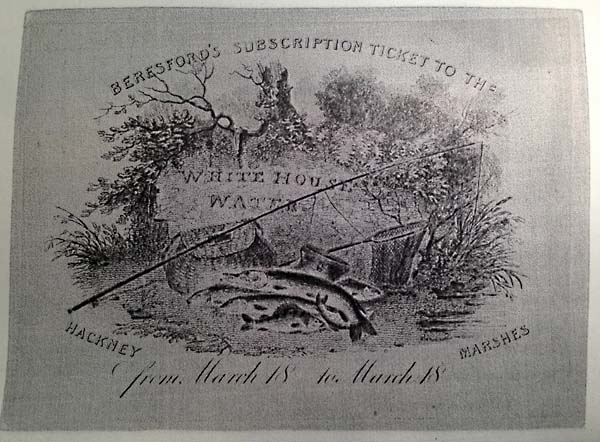
The White House ticket for Hackney Marshes.

06 Wednesday Feb 2013

Posted by The tuesday swim in The Lea Valley

≈ Leave a comment

Tags

beresford, fishing, hackney, horse, house, marshes, mrs, public, station, the, White

White house Hackney Marshes

Last year I wrote about the White House public house that stood alone in the Hackney Marshes near the end of Pond Lane. Run by Mrs Beresford this was one of the prime tickets to hold on the Lower Lea. Today the tuesday swim had the privilege to hold one of these hundred year old subscriptions, issued by Mrs Beresford.

White House Ticket

An over-dressed victorian

31 Thursday Jan 2013

Posted by The tuesday swim in Tackle

≈ 1 Comment

Tags

angler, artist, cook, fishing, floats, handmade, paul, traditional

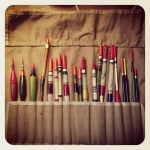
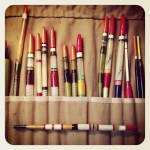
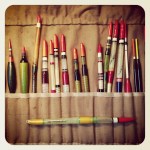
Victorian float A package arrived the other day in an eight inch length of plastic tubing, I knew what it was but I was quite taken by surprise by the exquisite fishing floats that were carefully packaged inside. Within the tube was a rolled up note from artist, writer, rod restorer, angler and all round gentleman, Paul Cook.

I met Paul a few years ago, at his house to pick up my rather sorry Allcocks Carp Superb  rod which needed a new top and some general tender loving care, the result was stunning, and still is after three years of abuse. To say Paul is a restorer of rods or maker of fishing floats would be like saying Michelangelo is a decorator of churches, Paul is an artist, his floats are true works of art.

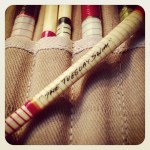
The four floats that arrived yesterday were simply stunning and even a non-angler would appreciate their beauty, a careful mix of feather, wood and coloured thread, all with an inscription ‘The tuesday swim.’ The question is, shall I cast these floats (often quite badly) into a weedy pond or a snaggy river? The answer is “yes” they have to be enjoyed in the field.

In Paul’s covering note he talks of an extra float, in his words states “Its a copy from an original Victorian float that I have overdressed for the occasion!” Bloody brilliant!


Mr Cook, the tuesday swim salutes you. Thank you.

Fishing & Flying.

14 Wednesday Nov 2012

Posted by The tuesday swim in Reading

≈ 4 Comments

Tags

and, angling, author, book, F, fishing, flying, horsley, pilot, T, terence, Tunnicliffe, war two, word

Currently there appears to be a trend for publishers to fill the market with angling liturature written by anglers who like to tread in the hallowed steps of anglers/writers like Yates, Walker, Venables etc etc. These books on first inspection can be beautifully produced, normally with some very fine photography and illustrations but when one starts to read these books I get bored very quickly.  These fishy tales seems to come from a very familiar yarn of searching for lost ponds and time spent pouring tea and eating cake while slagging off the ‘bivvy brigade’ (an easy target if there was ever one to have a go at!) and talk of a bygone era that has never been experienced first hand, these books never seem to have a direction they just meander just like the rivers they fish. Also these authors tend to run out of steam quite quickly so the final few chapters have the presence of the publishers cracking the whip to get the book finished in time for the ‘launch’ so a moribund account of angling tales conclude these titles. Then you have the launch, men queueing up to a get as many limited editions copies signed ready to load up onto the Bay of E!

There are some great current angling writers out there at present, Chris Yates’s almost child-like and enthusiastic view of the world and angling to crafted literature like Luke Jenning’s ‘Bloodknots’ and John Andrew’s ‘For Those Left behind’. Luke’s book is a real page turner due to the intreguing plot and characters while John’s book has a far more personal touch but both of these books have been written with care, time has been spent, each sentence  has been considered very carefully, these are not rushed books. I think this is why we are still waiting for another book from both of these authors! Another good ‘page turner’ that springs to mind is Jon Berry’s ‘Benneath the Black Water’ which takes the reader along a journey of obsession with catching ferox trout at the expense of his personal relationships and the financial demands. Jon has written some other books and I have heard good things but I have not yet got around to reading them. Dexter Petley is another fantastic author who has penned many books but has only really touched on angling with articles for Waterlog magazine (when Waterlog was a credible publication). I wish Dexter would write some more on angling, his pieces on fishing the Walthamstow reservoirs in the 1980’s are as dark and brooding and the reservoirs themselves…superb.

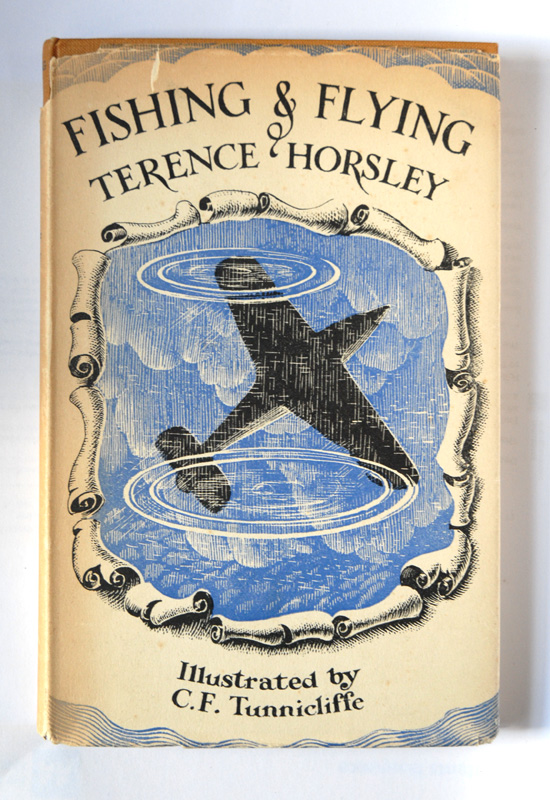
There is an antidote to the ‘fruit cake’ authors as I like to call them by tracking down angling liturature from the era that most of my old fishing tackle comes from, the pre and post second world war era. One such book is Fishing and Flying by Terence Horsley with illustrations by T F Tunnicliffe.

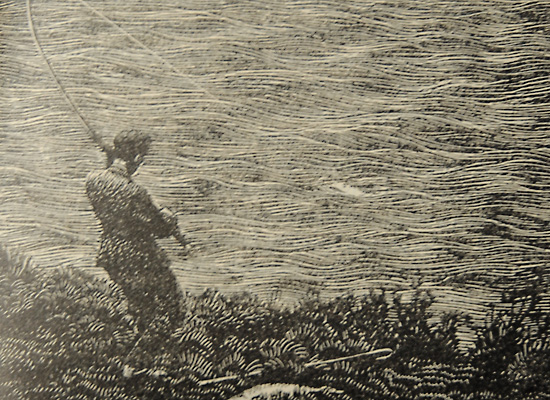
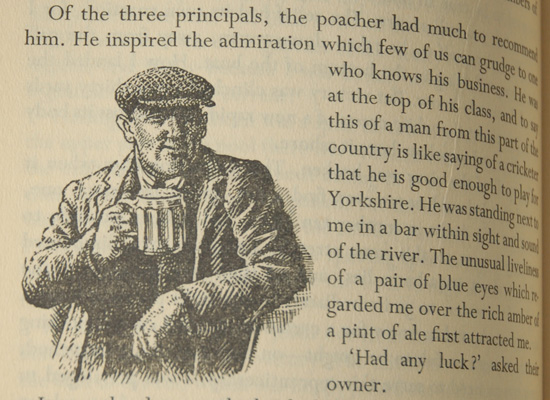
Fishing and Flying starts off with a whirlwind tour of Britain in the air from the cockpit of his Spitfire, yes Terence is a World War II pilot and a keen fisher especially for sea trout at night. Every page is rich with descriptions of his experiences in the air, by the river or simply his encounters with people like the poacher in the local pub over a pint. At this time of year a good pile of books is required for fireside reading, there are plenty of books out there at present that can be used to feed the fire, I hope to list some books here over the next few months that are good to read!

Tackle boxes part twelve. The split shot tin.

08 Thursday Nov 2012

Posted by The tuesday swim in Tackle

≈ 2 Comments

Tags

allcocks, fishing, Hardy, Henry, milbro, opsprey, PDQ, shot, split, tackle, tin, tins, wilco, wilkes

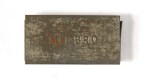
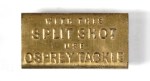
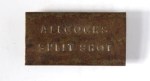
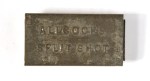
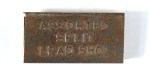
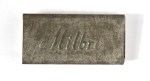
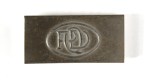
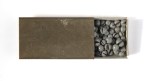
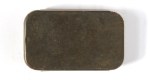
I’m not a collector of these little tins but more an accumulator of such items. These tins tend to turn up in job lots of tackle bought, found at the bottom of larger old tackle boxes or bags. I’m too young to remember them being available in tackle shops but I’m quite familiar with them being used by more elderly fishermen when I was fishing club matches on the Sussex Ouse, along the Lindfield stretch in the early eighties. I still use these tins for small items of tackle such as swivels and beads, more for nostalgia than for any other reason, as the sliding lid does tend to stick, especially in cold weather!


Hackney marshes, a brief Victorian history & its fishing stations.

15 Monday Oct 2012

Posted by The tuesday swim in The Lea Valley

≈ 2 Comments

Tags

fishing, groom, hackney, hart, history, horse, house, inn, marshes, pub, victotian, White

I’m now lucky enough to live close to the Hackney Marshes, a ten minute stroll takes me through Millfields Park, across the Lea Navigation, through the Middlesex Filter Beds and then onto a large expanse of football pitches, known as the Hackney Marshes. At first site this could look like any municipal area created for Britain’s second most popular participants sport, football but around the outskirts of these pitches lie many interesting natural features along with tales of past goings on, many of a dark and sinister nature. The marsh had been left untouched subject to Lammas rights (land split up into strips and used for producing hay and used only for grazing) hence why no building development had gone ahead in this area.

But in 1893 Sir John Hutton, the chairman of the London County Council dedicated the marshes to be an open space for the people of London after mounting pressure from various public groups including the Rev E K Douglass who ran the Eton Mission at Hackney Wick. Rev Douglass pointed out that the lads football club connected with the Mission has been ordered off the marshes by Drivers who had proceeded to carry off their goal posts! With growing pressure a final sum of £75,000 pounds was paid to the Lord and the commoners who had rights to the land by Hackney Council, giving the land back to the people of the borough for recreational use.

At that time the following extract from a pamphlet set out by the London Parks Committee describes the marsh as “a large area of flat meadow land, lying on the eastern boundary of London and intersected and skirted by the river Lea and its tributaries. It is 387 acres in extent, and three and a half miles from the Royal Exchange.” With this new aquisition, the council was about to change the marshes for ever but for many this was not for the better as the marshes represented a real rural idyl with the central marshes still having a sense of the wilderness about it especially when approached via surrounding villages like Clapton, Hommerton, Leyton and Hackney Wick. One such fondly remembered inhabitant lived on the outskirts of the marsh, there lay a ramshackle building where its occupants would greet passers by, by selling ginger beer and sorry looking cakes together with fish caught from the Navigation Cut laid out in dishes. Unsucessfull anglers could fill their creels with fish on return from the Lea enabling them to feed their families and keep their sense of personal pride. This wild almost anarchic  area was starting to loose its dark reputation as the Lea’s tributaries were drained and access became less of a challenge as one could now wander off the designated paths. The Lea itself was now controlled by new higher banks and flood relief channels, the marsh was now in name and not in nature.

Romany gypsies camped out on the marshes in the late nineteenth century.

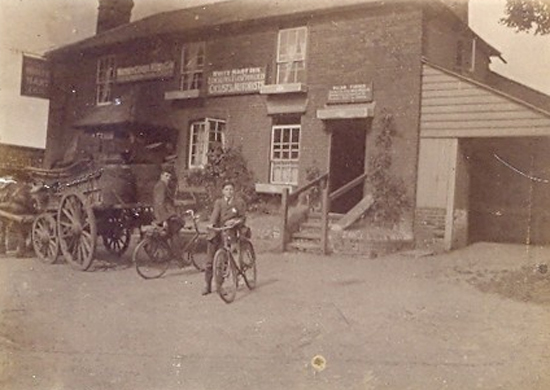
The Lea of old held large fish, pike of 25 lbs, trout 11 1/2 lbs, barbel 13 1/2 lbs,  chub 7 1/2 lbs, carp 11lbs, bream 5 3/4 lbs and ells of  6 3/4 lbs. One of the principle spots to catch these monsters was around the White House fishery boasting 150 subscribers each year. The White House pub stood alone in the middle of the marshes run  in the late 19th century by widower Mrs Beresford and her sons. Mrs Beresford reputation as a courteous hostess became well known to the Walton desciples that descended onto the Lea who took sanctuary in the pub with its walls adorned with stuffed birds aquired by Mrs Beresfords late husband George a keen hunter and fisherman. In earlier days the inn was frequently visited by Dick Turpin and other like minded types who felt save in the refuge of the marshes, knowing that only the bravest of law enforcers would venture into this wild area. The inn finally fell silent in 1917 when no interest was taken in the license and so it was demolished.

The White House Inn, Hackney Marshes.

Another notable fishing Inn was the Horse and Groom on the Lea Bridge Road and at the opposite end of Hackney marshes the White Hart Inn by Temple Mills the last point where the river Lea is tidal.

The White Hart Inn, Temple Mills.The marshes are now fully tamed, dotted by endless rugby and goal posts. In the background (above) behind the row of trees lies the river Lea still frequented by a few anglers and indeed the Tuesday Swim. Behind me lies the Lea Navigation where large carp reside, yes the canal carp are still on the Tuesday Swims radar but that will be next year. The marshes have survived the Olympics tidying up policy and still retain a  real sense of the  past with the old Victorian engineering in the Middlesex Filter Beds and the meanders of the old Lea, stubborn in its path. There is still a lot more to explore in this area and I shall come back to it here at the Tuesday Swim.

The Wye in autumn & a barbel.

08 Monday Oct 2012

Posted by The tuesday swim in Barbel

≈ 8 Comments

Tags

Aerial, allcocks, barbel, fishing, wye

Just over a year ago I started this blog after returning from my annual pilgrimage to the river Wye. I’m still not too clear why I write this blog as I generally find anglers writing about their catches uninspiring. There are a few that paint an interesting picture on such outings through words, but with the Tuesday Swim I guess I wanted to write about the little things in angling that I found to be interesting and any related items, whether it was tackle, places, anglers, some history, a song or indeed an interesting capture. I have in fact been on a  few trips this year and caught some good fish but fail to record them here as I felt there was no point in turning the Tuesday Swim into a diary. So I will tell you this now, the catch for the Wye for 2012 was one barbel around the 7lb mark caught in the dark and in the pouring rain, only one blurred image was taken as the camera failed to respond in the wet! The catch was a little disappointing but there is still a tale to be told…

So rather than words below is my photo story for my three days on the Wye.


Tackle boxes part eleven…the artist tackle box?

31 Friday Aug 2012

Posted by The tuesday swim in Tackle

≈ 1 Comment

Tags

angling, antique, artist, box, boxes, fishing, old, tackle, wooden

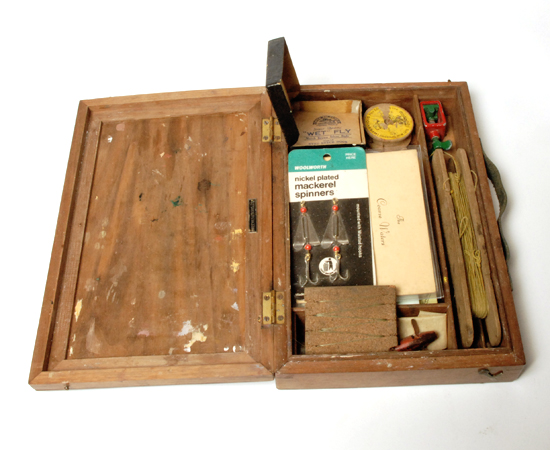
Finding suitable receptacles for fishing tackle can be a challenge, perhaps nerdy but ultimately good fun. Artist boxes are a good option as the outside finish is normally well polished which keeps the rain off in more extreme outdoors situations when angling.

Here I have an example of a small artist box that takes a modest tackle collection and will accommodate some floats where once brushes would have laid. Pictured here the box has some old tackle along with a collection of past fishing licenses. Dabs of oil paint cover the lid from a previous artists journey into colour and composition, brightening the greyest of days while out on the river.

My carp scene in the 1980’s…the spark.

29 Wednesday Aug 2012

Posted by The tuesday swim in Carp

≈ 3 Comments

Tags

1980's, 80's, bishop, british, carp, chris, fishing, holder, old, record, richard, school, skool, walker, yates

This was my era when I became a fanatical angler and an obsession for carp was born. It is considered that the era of the 1950’s to the 1970’s was the ‘golden age’ with the likes of Richard Walker and later on in the 70’s, anglers like Rod Hutchinson were developing new tackle and technique like multiple rods and electronic alarm to make the capture of carp more intentional and less of a freak occurrence . So without shocking those out there who think I am some old fuddy-duddy stuck in the 1950’s with an old wooden stick in my hand and an old tweed jacket slung over my back, here is my account of my own golden age of carp fishing that took place in the 1980’s, memories of early (almost) matching carbon rods, tutti-fruitti boilies, hair-rigs and monkey climbers.

Genesis.

Back in 1981 when I was eleven years old I had just started to fish, mainly with the help of some hand-me-down tackle and a small how-to fishing book, the journey was slow the results were insignificant but catching small gudgeon and the occasional chub on the Sussex Ouse ignited the spark that made me become a life long angler. For me it was spectacular in a unspectacular way, modest catches but most memorable.

Around that time an un-known face to me came onto the angling scene, wearing an old Barbour Jacket, floppy hat (looking not un-like a young Ian Anderson) he was pictured in all of the angling press cradling a 51 lbs 8 oz carp, his name was Chris Yates and in his arms was a creature of unimaginable size, especially to an eleven year old boy. It was caught by means considered unconventional by early 1980’s standards, using a cane rod, a knob of Plasticine and three grains of sweetcorn. In years to come Chris Yates would become one of the most influential anglers in Britain just by his use of simple back to basic techniques and of course his love of old fishing tackle.
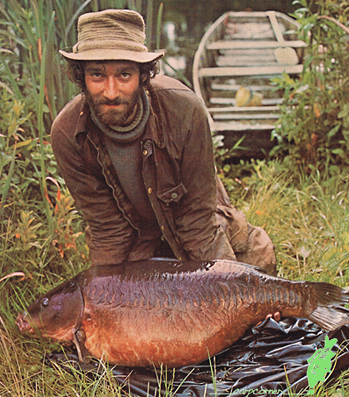
Up until the capture of the Bishop I perceived carp fisherman to be a secretive bunch and generally shy of any publicity especially in the angling press, perhaps they feared that their exposure would reveal the waters they fished and more importantly the carp that swam in those waters. Richard Walker who was officially* the carp record holder at that time, came from the old school set of the 1950’s, mystery men with access to private pools like Redmire, these carp and waters were too far away from reality to a teenager like myself living in Mid Sussex in the 80’s.

On various bicycle reconnoissance trips to lakes around Sussex I came across the odd lone angler, normally dressed in camouflage and more often than not lying low between small breaks in the reeds or hidden behind large expanses of Himalayan Balsam. They stood apart from everyday anglers, their kit was different, no keep-nets, no seat boxes to perch on and normally two matching rods, on one occasion I saw three! If approached they would give you a look that made you feel un-comfartable…these fishermen wanted to be alone, nine times out of ten I did just that, but I was intrigued by them, their tackle and their quarry.

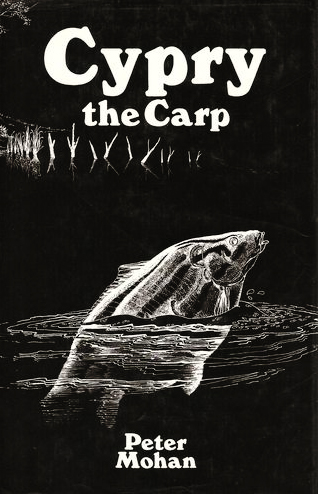
Around the same time Pete Mohans’ Cypry the Carp was serialised in the Anglers Mail. He told a tale of a young lad called Andy who grew up in search of a particular carp called Cypry, reading this at the back of the classroom during double chemistry on a Wednesday morning is still a very vivid memory of my teenage years and fired my desire even further to pursue and catch a carp, at this point it seemed a far off goal, no commercials to get on the specimen carp ladder, just old farm ponds to seek out and fish or take an even bigger step and financial investment…join a local club.
It was hard finding waters that held carp that I could fish so I finally decided to join the Haywards Heath & District Angling Society the local club to where I was living. At the same time I also had access to a little pond that lay in an old ladies garden in Horsted Keynes through a school friend of mine, Mark (one of the Horsted Lads). He had managed to get permission to fish it whenever we wanted including at night and I knew that he had already caught some carp from this little half-acre pond but I now had concerns about my kit not being up to the huge battle one had heard about in double chemistry or read about in the Anglers Mail. At that time my basic kit consisted of a Shakespeare Strike match rod and an Intrepid Black Prince reel, both horrible bits of kit. So with a little nagging, a paper round and an early birthday present I became the owner of a Marco 10′ fibreglass carp rod and a Mitchell 3330z reel, the Mitchell 300A or the Abu Cardinal 55 was the carp fisherman’s reel of choice but they were out of my financial reach for now.

One of the first ponds I started to fish in the guise of a ‘specimen hunter’ was a HHDAS water set just outside of a village called Ansty. It was a good forty minutes bike ride which when laden down with fishing gear was quite a trek but soon became a regular haunt as I could see evidence of carp cruising up one end of the pond by a reed bed. After a few visits I finally hooked my first carp a strong fighting 2 lb beauty, elated but committed to catching a bigger one I continued to fish for carp over the summer of 1982 through to 1983. While catching these smaller carp I noticed that as I was leaving at dusk the bigger residents would arrive, unfortunately I had to leave and under-go my forty minute bike ride before darkness set in. I had to fish a night session, it was time to put the finishing touches to my specimen hunters kit so that I could do a night on the pond.

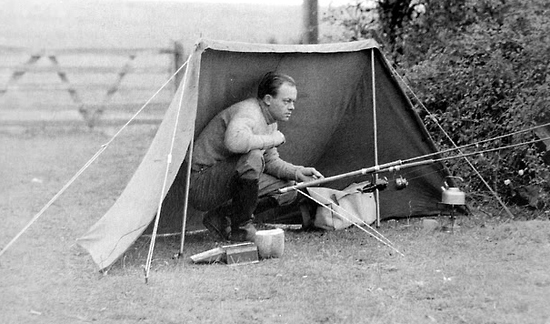
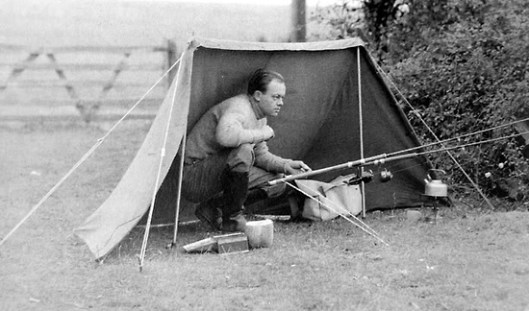
Night fishing introduced two problems, bite indication and staying warm and dry. The first problem was solved by attaching a swing tip to my carp rod with a Starlight taped to the end making sure that the swing tip didn’t enter the water or the tape would un-ravel and the Starlight would drift away causing panic and a potential fish-less night. The second problem was solved by using my fathers old World War II army pup tent which had the added advantage of being open all along the length for more milder nights and allowing easy access to the rods. With a few added extras like a camping stove and an Army surplus jacket I was feeling  pretty much like a ‘proper’ specimen hunter rather than a run-of-the-mill ‘pleasure’ angler.
Next time the monkey climber years and my first ‘double’…

* Richard Walker was the British Carp record holder from 1952 to 1995 when Roddy Porter caught a 53lb 15oz specimen . Chris Yates 51 lb 8 oz carp was never recognised as an official British record although most specimen groups including NASA did recognise Chris Yates record carp.

Tackle boxes part ten, the rod box.
09 Thursday Aug 2012

Posted by The tuesday swim in Tackle

≈ Leave a comment

Tags

angling, antique, box, edwardian, fishing, old, pine, rod, victorian, vintage

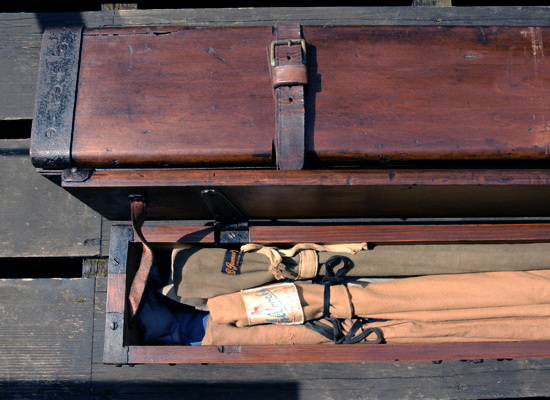
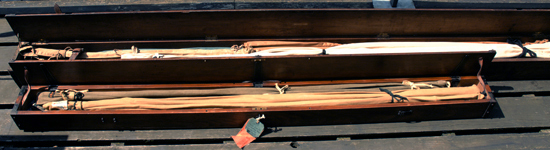
Like most fanatical anglers buying tackle is an addiction especially those with a taste for cane rods. In an ideal world a rod room would be appropriate but with my current moving from one abode to another and roving small hands, a safe but fitting way to store cane rods is in an old Victorian or Edwardian rod box.

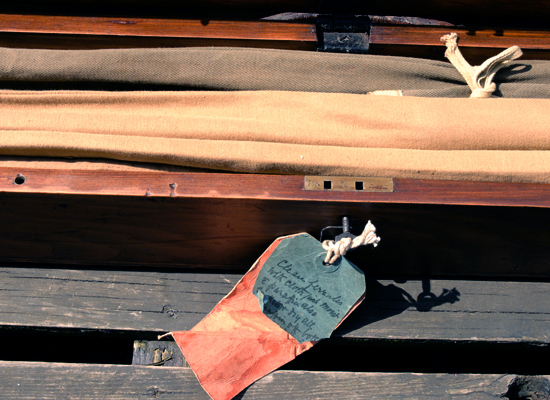
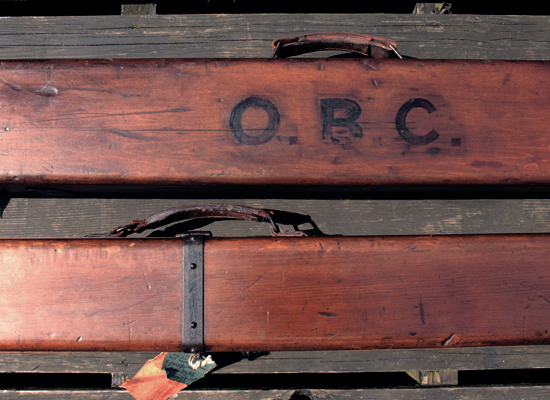
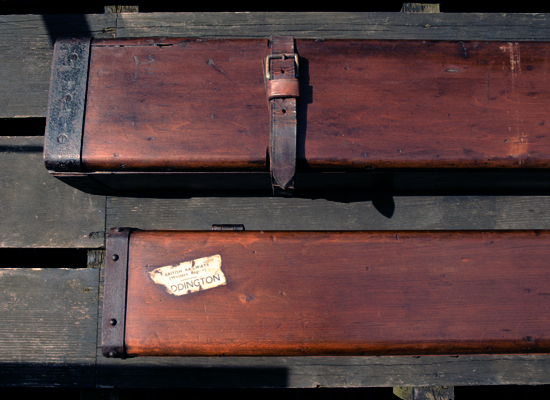
Back in the day one would lift the solid pine box laden with salmon rods onto an awaiting carriage and there onto Paddington station, then take the night-sleeper to the North West of Scotland in anticipation of a salmon or two. Well those days are long gone but these well-built boxes still exist and you maybe lucky enough to find one still covered in the old transportation labels of yesteryear and possibly the initials of a previous owner. The ends are normally reinforced with metal on the outside and internal brass fittings on the inside, the hinged lid held down with leather straps buckled around each end and a built-in brass cabinet lock to secure it, these boxes were built to last!

The insides are plain apart from some retaining leather straps to hold the rods in place.  These days a Cordura covered aluminum tube have put these old boxes out to grass, but may I suggest for home storage these boxes are beautiful to look at and perfect for the task of storing old rods. For the purist, one can place brass hooks on the inside so to hang your beloved cane rods but I gently pack them full so that they stay together in a neat straight bundle.

I have two rod boxes, both with leather handles just like an old suitcase, one is five feet six and can take all my ten foot two piece rods, the other box is a bit of a monster at seven feet but comfortably takes all the longer two piece eleven foot six rods I possess. The larger of the two have the monogram ‘O C B’, I’m afraid I have no idea who that person was but he or she must have owned some seriously long salmon rods, possible spliced rods?

The smaller box which is a really nice size and still has the Paddington station railway label stuck on the box from many moons ago.

← Older posts
Newer posts →

Read about

  • Barbel
  • Carp
  • Fallon's Angler quarterly
  • General
  • General fishing
  • Music
  • Photography and video
  • Pike
  • Product reviews
  • Reading
  • Tackle
  • The Lea Valley

Blog at WordPress.com.

Privacy & Cookies: This site uses cookies. By continuing to use this website, you agree to their use.
To find out more, including how to control cookies, see here: Cookie Policy
  • Subscribe Subscribed
    • the tuesday swim...
    • Join 202 other subscribers
    • Already have a WordPress.com account? Log in now.
    • the tuesday swim...
    • Subscribe Subscribed
    • Sign up
    • Log in
    • Report this content
    • View site in Reader
    • Manage subscriptions
    • Collapse this bar
 

Loading Comments...